Love at First Click: How AI Personalisation Creates Instant Chemistry in eCommerce


Global Scale Masterclass: The Cross-Border Expansion Playbook
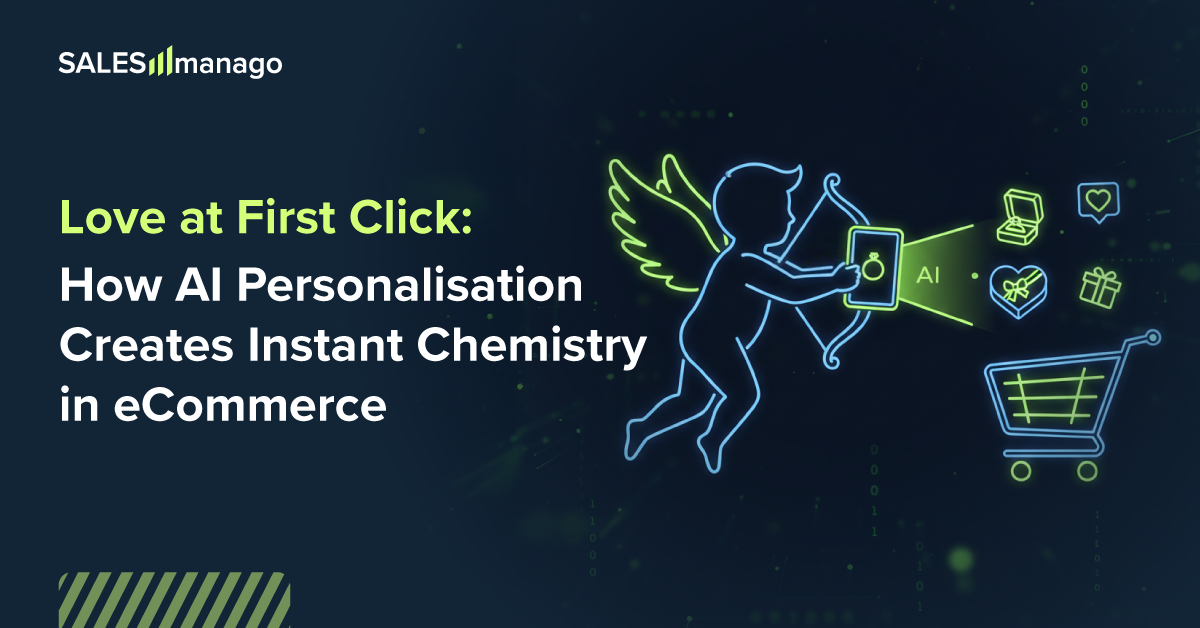
Every mid-February, couples around the world start the same ritual: nervously searching for the perfect gift (preferably jewellery rather than a food processor but hey, whatever makes you tick!) expressing deep love to their other half, or at least a nice box of chocolates and flowers as an invitation to spend romantic time together. At the same time Valentine’s Day becomes a stress test for eCommerce. Customers browse your store in a hurry with a mix of stress and hope but mostly with the feeling that they must live up to the expectations of their better half. This automatically lowers their tolerance for errors, missed product recommendations, and annoying not-related notifications. Every time they get information from your store that not only misses their needs by miles but also hinders them from achieving their goal, they might react with irritation and simply run from you to a competitor. And you will lose yet another sale.
But don’t lose hope. Love may be irrational, but online shopping during this season is full of patterns and signals. And there’s a huge difference between a pretty storefront and a personalised experience that makes a shopper feel understood from the first interaction.

And you have a true love-battle to win. In 2024, consumers around the world spent north of $25 billion on Valentine’s Day gifts, with around 40 per cent of that online, making this holiday not just emotional but commercially significant. In the UK alone, spending topped roughly £2.3 billion, and most of those gifts were bought over the web. (Webinterpret)
So yes, there’s money in February, but beneath the revenue numbers lurks something deeper: an expectation. Shoppers now expect experiences, not just offers. But primarily, they expect that you will help them.
When shopping for Valentine’s, people aren’t just buying chocolates or flowers, they’re buying meaning. They want their purchase to feel thoughtful, fitting and tuned to the person they’re shopping for. And that is not an easy job!
That’s exactly where AI-powered personalisation comes in. It can help your customer find the gift they are looking for faster and more easily. Obviously, AI won’t know the person for whom a customer is buying for (unless they provide certain data) but at least, using past behaviour, browsing signals, purchase history, it can help customers to navigate the offering better.
Let’s frame this with a simple table:
| Type of Experience | How It Feels to the Shopper | Likely Outcome |
|---|---|---|
| Broad Valentine’s promo | Generic and forgettable | Low engagement |
| Single category focus | Slightly better | Small bump |
| Behaviour-based personal recommendations | “Hey, that’s what I was looking for” | Higher click-through |
| Real-time AI personalisation | “They get me” | Higher conversions & loyalty |
Personalisation isn’t about being fancy — it’s about being relevant. Even in the heat of a seasonal rush, relevance moves the needle.
Most online shoppers decide within seconds whether they want to stick around. If a site doesn’t resonate with what they actually need right now, they bounce, and with Valentine’s Day, that window shrinks even further. People browsing for gifts are often in a mood: urgency mixed with expectation.
Here’s the kicker: consumer research repeatedly shows that personalised product recommendations help convince shoppers to buy more often. For example, one industry study found that about 37 per cent of customers will purchase more frequently when recommendations are personalised and tailored to their behaviour.
That’s why AI personalisation tools matter. They’re not just about inserting a name into an email subject line. They’re about tailoring:
Product suggestions based on browsing and purchase history
Messages shaped by current intent signals
Landing pages that reflect category affinity
Offers triggered at the right moment
This is the difference between a visitor feeling like a target and feeling like an appreciated guest.
One interesting trend around Valentine’s Day isn’t about the spike itself, it’s what happens next. Brands that nail the moment don’t just see a one-off sale; they set the stage for ongoing engagement. If a first experience with a brand feels relevant, convenient and — yes — a bit magical, consumers are much more likely to come back. According to trend reports, a positive Valentine’s Day experience increases the chances customers will shop with the brand again during the year. (Webinterpret)
Most marketers already know the basics: run ads, send emails, push discounts. But here’s where smart personalisation kicks in:
Start dynamic personalisation early: Shoppers begin browsing weeks before the big day. Use early-stage signals to tailor content and recommendations.
Understand intent, not just segments: Two shoppers may both be looking at jewellery, but one is a repeat buyer while the other is last-minute browsing. Treat them differently.
Match messaging to mood: Valentine’s Day isn’t one thing to everyone. Some want luxury; others want quirky or fun. Show product stories that fit those vibes.
Reduce friction: Faster page load, smooth checkout and accurate delivery estimates matter big time for occasion-driven shoppers.
At the end of the day, AI personalisation gives brands the tools to make every shopper feel like the experience was crafted just for them, without overwhelming the team with manual work.
Valentine’s Day is great for a sales spike, but the bigger win is turning that fleeting moment into a longer relationship. Personalisation is the mechanism that helps brands be felt in an otherwise crowded digital space.
Customers might forget the discount or the promo code they used to buy a gift, but they won’t forget how easy and right the experience felt. That’s the essence of instant chemistry — whether in romance or retail.
Weeks before Feb 14. Shoppers start browsing early, and cues from behaviour early on help build better profiles.
Yes, but it works best when backed by real behaviour signals and is timed to intent (e.g. browse abandonment, category affinity).
Respect user privacy. Use behavioural signals to guide relevance, but avoid overly intrusive suggestions.
Definitely. A positive experience during seasonal peaks builds longer-term loyalty when continued across lifecycle touchpoints.
Use real-time recommendations tied to recent browsing or past purchases, those convert better than static “seasonal category” pages.


Eighteen billion dollars. That's how much revenue eCommerce stores lose to abandoned carts annually. Not "potential revenue if everything went perfectly." Actual money left on the table because nobody followed up.Marketing automation recovers that revenue whil...
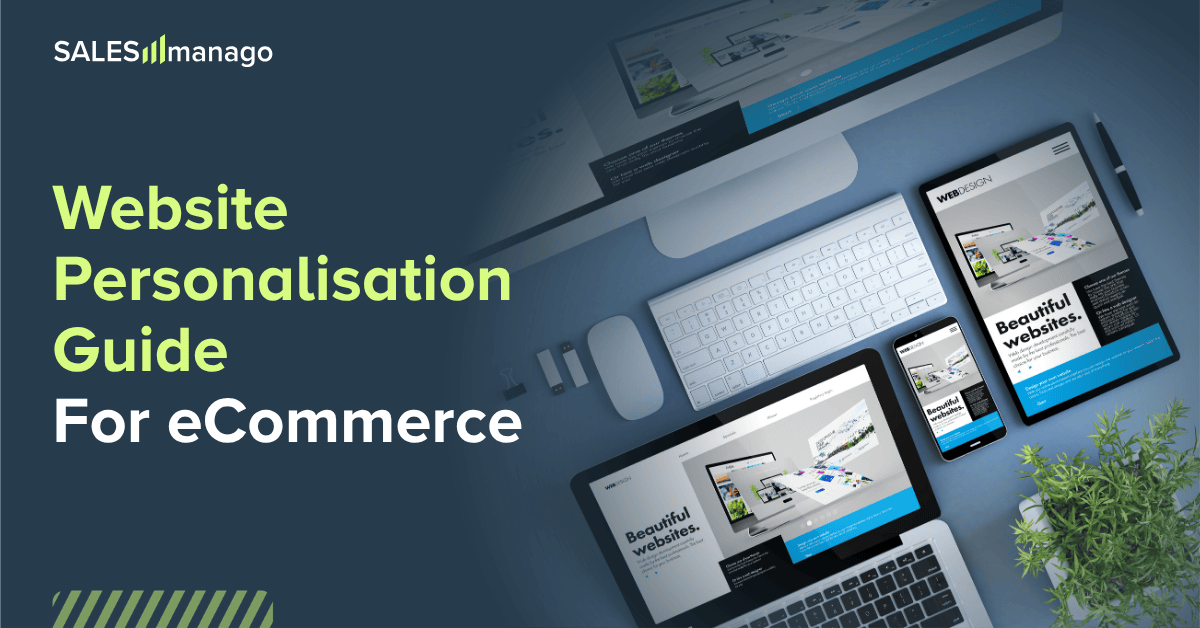
Your eCommerce store shows the same homepage to everyone. A first-time visitor sees the identical hero banner as a returning customer who's bought three times this month. Someone browsing on mobile during lunch gets the same product grid as a person shopping from a laptop at midnight.You're leaving money on the table.

I've spent a lot of time over the past few years in conversations about AI. With boards, with investors, with commercial teams. The question is almost always the same: “When are we going to have AI doing this for us?”My answer is always the same too: sooner than you think, but not in the way you’re imagining.